Releases
-

Peabody Welcomes New Faculty for 2013-2014
Department of Human and Organizational Development Sarah VanHooser Suiter (Ph.D., Ä¢¹½ÊÓƵ, 2009), associate professor of the practice of human and organizational development, previously with Centerstone Research Institute Allison Patten McGuire (Ph.D., Ä¢¹½ÊÓƵ, 2005), lecturer in human and organizational development Department of Leadership, Policy and Organizations Angela Boatman (Ed.D., Harvard, 2012)… Read MoreNov 18, 2013
-
Ä¢¹½ÊÓƵ’s Peabody No. 1 education school for fifth consecutive year
In March, Peabody College was named the top graduate school of education in the country for the fifth consecutive year by U.S. & News World Report. Peabody bested programs at Johns Hopkins University (No. 2) and Harvard (No. 3) for the top spot, in addition to having its programs in… Read MoreNov 18, 2013
-

Neon projects elite aura for amateur athletes
Bright-colored products and brands do more than just draw attention. They allow people to signal a personal identity that aligns them with elite athletes, explains Ä¢¹½ÊÓƵ marketing professor Jennifer Escalas. Read MoreNov 13, 2013
-

Ä¢¹½ÊÓƵ study: Hiring practices preventing change in law school faculties
Law school faculties are not changing with the times, and a Ä¢¹½ÊÓƵ Law School professor says it may be time to look at hiring practices. Read MoreNov 12, 2013
-
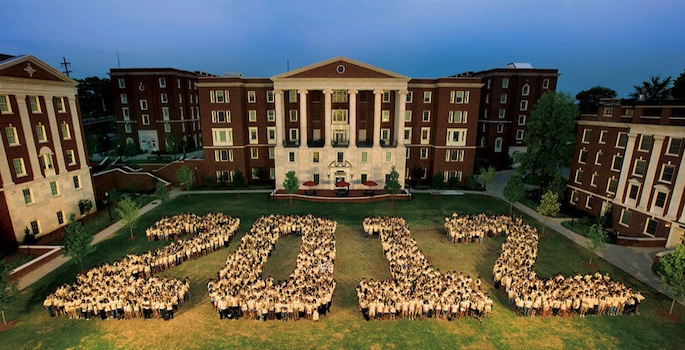
Class of 2012 leads the way in giving back to Ä¢¹½ÊÓƵ
The Class of 2012 is accustomed to leading the way. As freshmen, they became the first class to live at The Martha Rivers Ingram Commons. As seniors, they broke a Ä¢¹½ÊÓƵ record at the time by giving back to Ä¢¹½ÊÓƵ at a rate of 48 percent through the… Read MoreNov 9, 2013
-
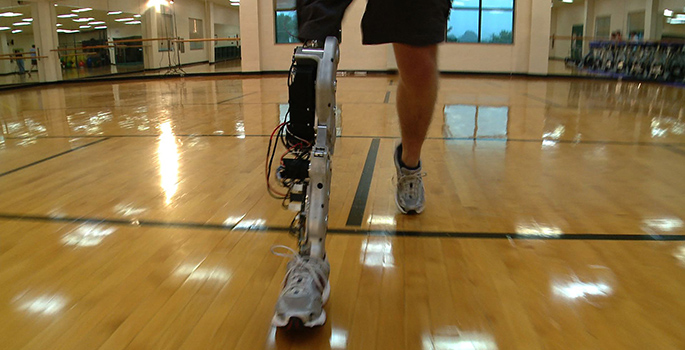
Robotic advances promise artificial legs that emulate healthy limbs
Recent advances in robotics technology make it possible to create prosthetics that can duplicate the natural movement of human legs which promises to dramatically improve the mobility of lower-limb amputees. Read MoreNov 7, 2013
-

Understanding the lifelong benefits of preschool
High-quality preschool is an effective way to reduce social problems associated with poverty because it teaches children the psychological skills they need to succeed as adults, according to a Ä¢¹½ÊÓƵ professor who studies the economics of human development. Read MoreNov 7, 2013
-

Tricking algae’s biological clock boosts production of drugs, biofuels
Tricking algae’s biological clock to remain in its daytime setting can dramatically boost the amount of commercially valuable compounds that these simple marine plants can produce when they are grown in constant light. Read MoreNov 7, 2013
-

Involuntary teacher transfers put better teachers with neediest students
Allowing principals to involuntarily transfer teachers within a district resulted in more productive teachers replacing lower performing teachers in mostly disadvantaged schools. Read MoreNov 6, 2013
-
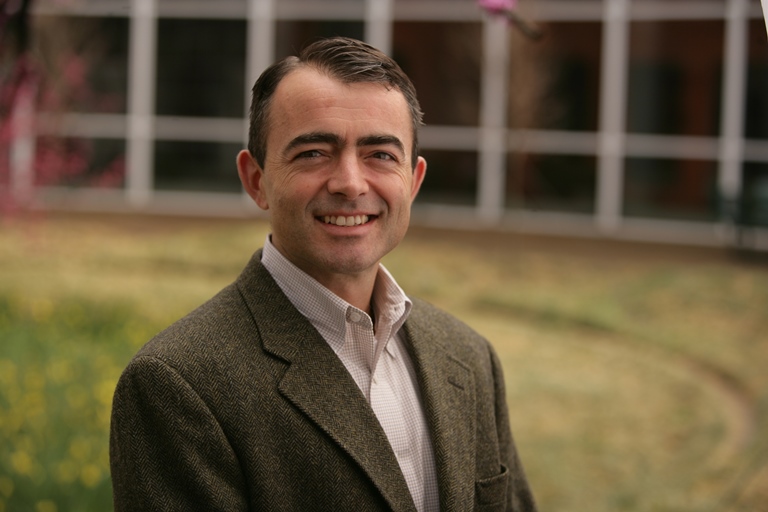
In light of SAC pleas, how to spot too good to be true funds
Nick Bollen of Ä¢¹½ÊÓƵ's Owen Graduate School of Management can talk about SAC Capital and other hedge fund insider trading cases. Read MoreNov 5, 2013
-

Same-sex marriage issue could define Justice Kennedy’s place in history
If circumstances land the right same-sex marriage case in the hands of the U.S. Supreme Court, than Justice Anthony Kennedy may find himself in the history books as the judge who makes gay marriage legal for good, says a Ä¢¹½ÊÓƵ law professor. Read MoreNov 5, 2013
-

Expert: Strategic role for IT would have helped avoid health care website troubles
Government leaders did not properly recognize the strategic role of IT in defining and implementing policy in rolling out the online insurance exchanges mandated by the Affordable Care Act, according to Douglas C. Schmidt, a professor of computer science at Ä¢¹½ÊÓƵ. Read MoreNov 1, 2013
-
Although the NSA may not conduct queries or examine content unless it or a court determines that “national security� is at stake, national security is apparently at stake quite often, if the recent reports about monitoring hundreds of thousands of foreigners’ calls as well as the calls of foreign leaders are true, writes Christopher Slobogin, Milton R. Underwood Professor of Law.
Oct 31, 2013
-

Ä¢¹½ÊÓƵ sleep experts offer tips to manage end of Daylight Saving Time
A Ä¢¹½ÊÓƵ Medical Center sleep specialist confirms what a lot of us already know—"falling back" can still cause a groggy and unsettled feeling come Monday morning, even if we do manage to get that extra hour of sleep. Read MoreOct 31, 2013
-
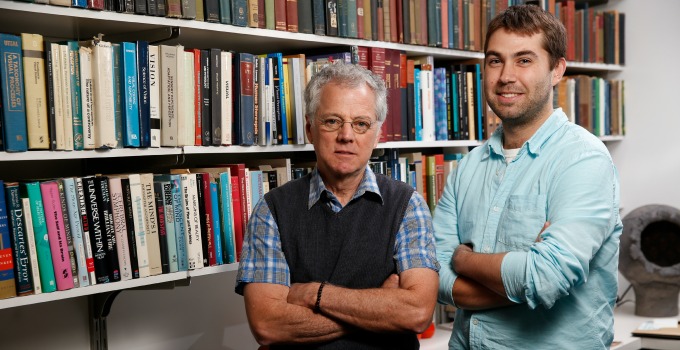
Even in the dark, brain “sees” its own body’s movement
With the help of computerized eye trackers, new research finds that at least 50 percent of people can see the movement of their own hand even in the absence of all light. Read MoreOct 30, 2013
-
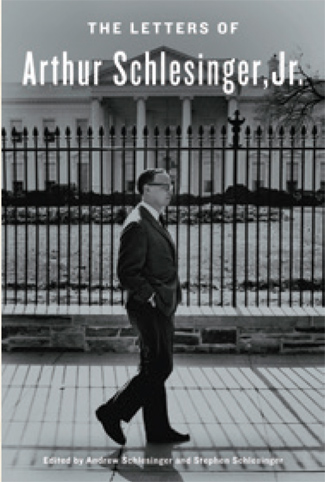
MEDIA ADVISORY: Jon Meacham, Stephen and Andrew Schlesinger discuss new book ‘The Letters of Arthur Schlesinger Jr.’
Pulitzer Prize-winning historian and Ä¢¹½ÊÓƵ Distinguished Visiting Professor Jon Meacham will join Stephen and Andrew Schlesinger to discuss the legacy of their father, the late presidential historian Arthur Schlesinger Jr., during a media availability Nov. 5 at Ä¢¹½ÊÓƵ. Read MoreOct 30, 2013
-
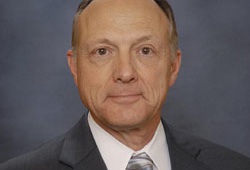
Colorado judge will lead Ä¢¹½ÊÓƵ-based American Judicature Society
Richard Carparelli was named the new executive director of the American Judicature Society, which is based at Ä¢¹½ÊÓƵ Law School. Read MoreOct 28, 2013
-
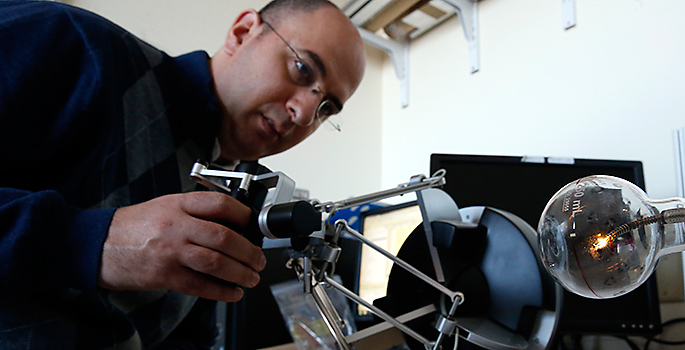
National Robotics Initiative grant will provide surgical robots with a new level of machine intelligence
Providing surgical robots with a new kind of machine intelligence that significantly extends their capabilities and makes them much easier and more intuitive for surgeons to operate is the goal of a major new grant announced as part of the National Robotics Initiative. Read MoreOct 25, 2013
-
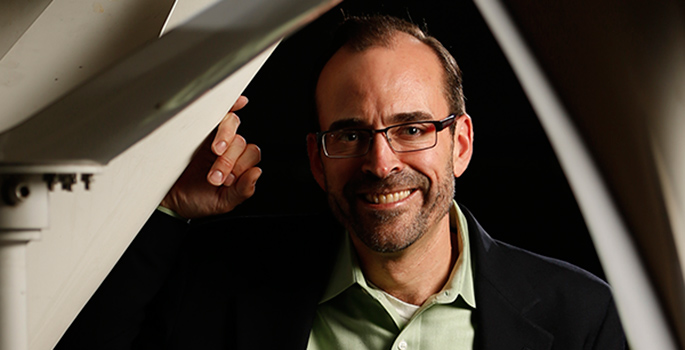
Using sound waves for bomb detection
A remote acoustic detection system designed to identify homemade bombs can determine the difference between those that contain low-yield and high-yield explosives. Read MoreOct 23, 2013
-
Redesigning Financial Aid System Could Make College More Accessible and Affordable
Ä¢¹½ÊÓƵ Professor William Doyle proposes a means of curbing college costs by replacing the existing federal aid system with a more-efficient model that emphasizes need-based aid and changing the way student loans are repaid to lower the default rate. With the largest declines in real average family incomes among those in the lowest 20 percent of the population, he argues that such reforms are crucial if college is to be more accessible and affordable. Read MoreOct 23, 2013