Releases
-

Study of affluent Americans shows where their politics differ
A study on the political habits of the wealthiest Americans found that they are active in politics, urgently concerned with cutting the national deficit and look favorably on cutting social programs. Read MoreMar 25, 2013
-
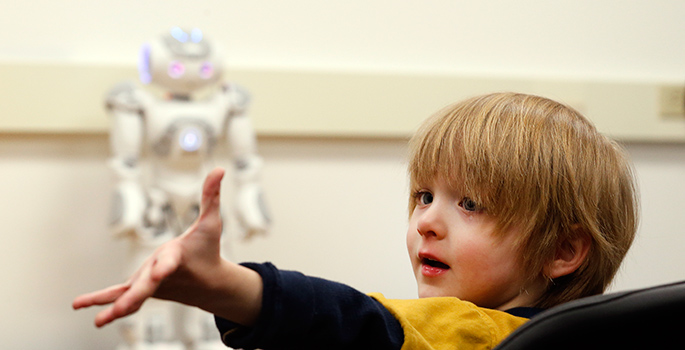
Humanoid robot helps train children with autism
An interdisciplinary team of mechanical engineers and autism experts at Ä¢¹½ÊÓƵ have developed an adaptive robotic system and used it to demonstrate that humanoid robots can be powerful tools for enhancing the basic social learning skills of children with autism. Read MoreMar 23, 2013
-

Plan offered for more inclusive Nashville
A 25-year plan for Nashville's future includes a report on inclusivity written by Ä¢¹½ÊÓƵ sociologist Dan Cornfield. Read MoreMar 20, 2013
-

FAQs: VUMC and economic repositioning
The following are answers to frequently asked questions regarding the financial pressures created by the federal budget sequester and other legislation now facing Ä¢¹½ÊÓƵ Medical Center and academic health centers across the country. Read MoreMar 14, 2013
-
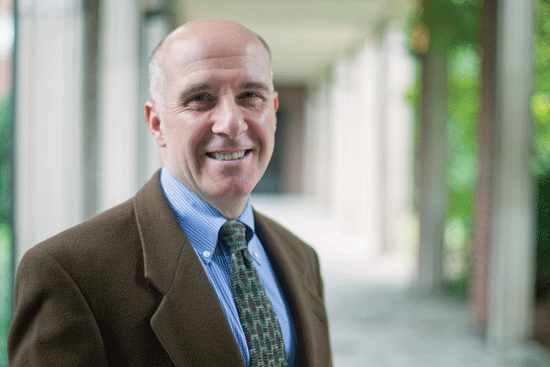
New Pope: Ä¢¹½ÊÓƵ professor/Jesuit priest can comment
The appointment of a Jesuit priest as the new pope of the Roman Catholic Church “absolutely stunnedâ€� Bruce Morrill, the Edward A. Malloy Professor of Catholic Studies at Ä¢¹½ÊÓƵ Divinity School and a Jesuit priest himself. Read MoreMar 13, 2013
-

25th anniversary of Kurdish genocide holds lessons to prevent atrocities in Syria today
This week marks the 25th anniversary of the gas attacks on the Kurdish village of Halabja, Iraq, at the hand of Saddam Hussein that killed at least 5,000 civilians. Ä¢¹½ÊÓƵ international criminal and humanitarian law expert Michael Newton says lessons learned from the Halabja attack could help the persecuted Kurds being attacked in Syria today. Read MoreMar 13, 2013
-

Public support for democracy endures in Venezuela
The collapse of the party system and high levels of crime and corruption in Venezuela have not dimmed public support for democracy in that country, according to a survey by the Latin American Public Opinion Project at Ä¢¹½ÊÓƵ. Read MoreMar 12, 2013
-
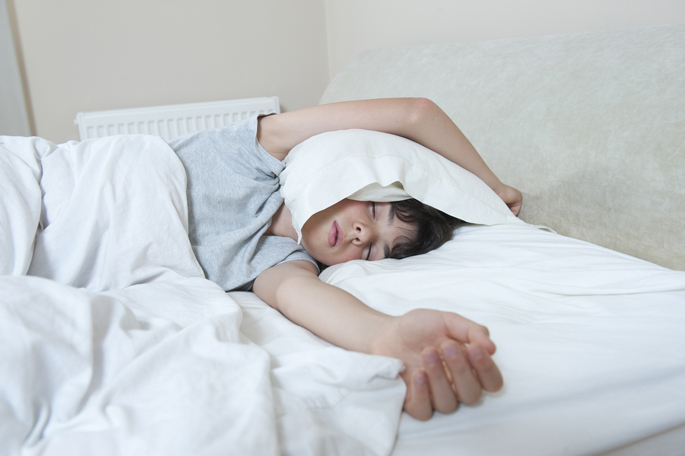
Ä¢¹½ÊÓƵ sleep expert offers daylight saving survival tips
Moving clocks forward one hour in the spring means more daylight in the evenings, but that glorious after-work sunshine comes at a price – a horrible groggy feeling on Monday morning. Daylight saving time begins at 2 a.m. on Sunday, March 10, essentially erasing an hour of… Read MoreMar 7, 2013
-
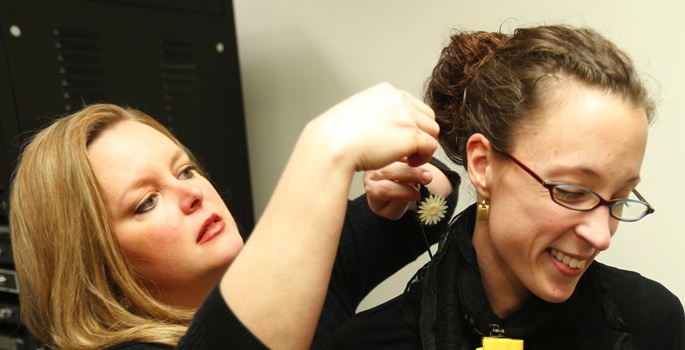
High Fidelity: Cochlear implant users report dramatically better hearing with new Ä¢¹½ÊÓƵ process
Longtime cochlear implant users are reporting such dramatic improvements in their hearing, thanks to new image-guided programming methods developed by Ä¢¹½ÊÓƵ researchers. Read MoreMar 5, 2013
-

Study finds maternal diet may predict RSV severity
An important predictor of the severity of respiratory syncytial virus (RSV) in infants may be what their mothers ate during pregnancy. Read MoreMar 4, 2013
-

Power of the press: Can the media influence voting behavior of legislators? New Ä¢¹½ÊÓƵ research says “yes.â€�
Whether politicians and the press seem like friend or foe, elected officials regularly use news outlets to share and defend their views to the public. New research from Ä¢¹½ÊÓƵ finds certain media actually influenced the voting behavior of politicians. Read MoreFeb 28, 2013
-

Circadian clock linked to obesity, diabetes and heart attacks
Disruption in the body’s circadian rhythm can lead not only to obesity, but can also increase the risk of diabetes and heart disease. That is the conclusion of the first study to show definitively that insulin activity is controlled by the body’s circadian biological clock. Read MoreFeb 21, 2013
-
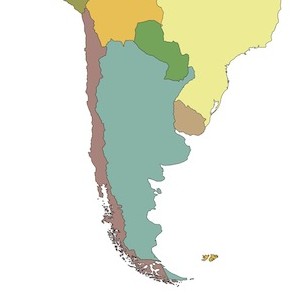
Argentines mistrust Iran, may not trust community center bombing probe, survey finds
Rgw AmericasBarometer survey shows that Argentines may not trust Iran or a jointly established Truth Commission formed to discover the culprits behind a Jewish community center bombing in Buenos Aires 20 years ago. Read MoreFeb 20, 2013
-

‘Snooze button’ on biological clocks improves cell adaptability
(iStock) The circadian clocks that control and influence dozens of basic biological processes have an unexpected “snooze button” that helps cells adapt to changes in their environment. A study by Ä¢¹½ÊÓƵ researchers published online Feb. 17 by the journal Nature provides compelling new evidence that at least some species… Read MoreFeb 17, 2013
-

Cure in sight for kissing bug’s bite
Kissing Bug (Photo courtesy of the Centers for Disease Control and Prevention) Chagas disease, a deadly tropical infection caused by the protozoan parasite Trypanosoma cruzi and transmitted by biting insects called “kissing bugs,” has begun to spread around the world, including the U.S. Yet current treatment is… Read MoreFeb 14, 2013
-
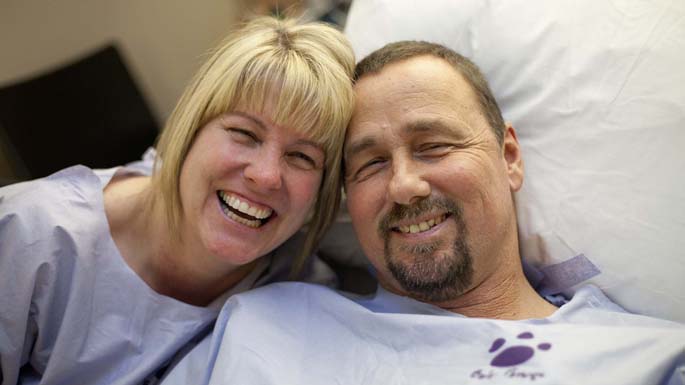
Woman gives ultimate Valentine’s gift to her husband
Kim Duncan donated a kidney to her husband, Thomas, on Valentine’s Day last week. (photo by Daniel Dubois) For the nearly 25 years Thomas Duncan has been married, he was crowned the king of Valentine’s Day gift giving. Not this year however, says his wife, Kim, who… Read MoreFeb 14, 2013
-
Watch: Bruce Morrill discusses what issues the papal conclave will consider when choosing its next leader on Fox News.
Feb 12, 2013
-
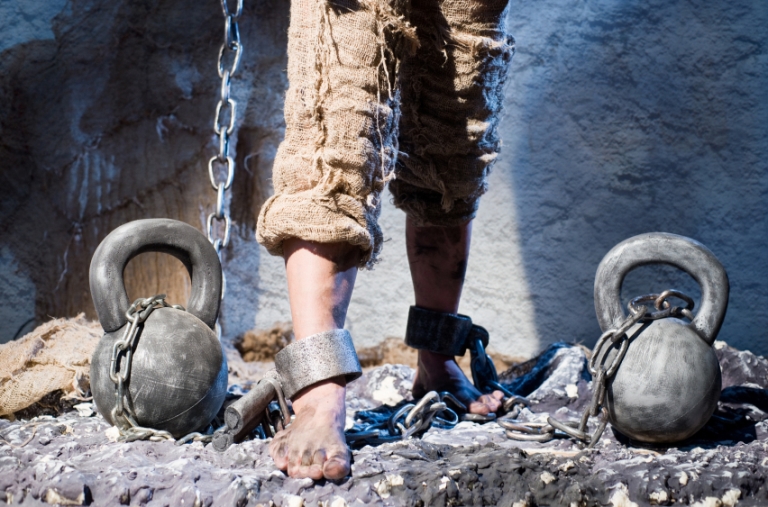
What a prison sentence continues to take after release
New research shows that every year spent in prison lowers overall life expectancy two years. Read MoreFeb 5, 2013
-

Evidence moles can smell in stereo
Neuroscientist Kenneth Catania has resolved a long-standing scientific debate by showing that the common mole can smell in stereo. Read MoreFeb 5, 2013
-
Media Advisory: Peabody College to host panel discussion on school vouchers
Ä¢¹½ÊÓƵ’s Peabody College and The League of Women Voters of Nashville will host a panel discussion on school vouchers, featuring industry experts on the subject on Feb. 7. Read MoreFeb 4, 2013